“She likes to read fantasy,” said the reader’s parent.
Exciting! Someone has come looking for more books to read. A wise educator or librarian knows that they do not have enough information to make a real recommendation at this point.
Fantasy is a broad genre. The reader could mean they like many things.
In the publishing world, fantasy is subdivided into “high fantasy” and “low fantasy.” Low fantasy takes place in our world. Magic or fantastical elements are present. Harry Potter is low fantasy; the wizards live among the muggles. High fantasy takes place in another world that may draw upon the myths and legends of our world but is separate. Lord of the Rings is high fantasy. At first glance, it seems like a neat division, but it’s not. Take Harry Potter, for example. Although technically low fantasy, how much of the books are about the “real world”?
I’m also not certain it’s a helpful division when recommending books to readers. Readers who love fantasy might have something more specific in mind. Some fantasy readers are devoted to “magical school” stories. Others want tales of political intrigue. Some adore a romance plot. Some do not want to touch romance with a ten-foot pole. (A good reminder that it is important to establish what a reader does NOT want.)
Nancy Pearl says that when a person loves a book or genre, they are chasing the feeling that they had when they read that beloved book. She has coined “the four doorways” as readers’ passage into books they love. They are (1) plot, (2) character, (3) setting, (4) language. Pearl argues that books have a primary door. Readers and those who make recommendations should learn about which doorway readers prefer. I find that when a reader comes to me with a beloved book, asking “doorway” questions helps me understand what they loved.
Here are some questions:
- What was the last book you read and loved?
- What are three words you would use to describe this book?
- Where and when did the book take place? (Setting)
- Who were the most important characters in the book? What were they like? (Character)
- What was the most interesting thing that happened in the book? (Plot)
- Do you remember any quotes or descriptions from the book? (Language)
- How did reading it make you feel?
I recently finished Emily Lloyd-Jones’ book The Wild Huntress. It often gets billed as a YA romantsy, but I found the romance to be a minor plot point that doesn’t cover what makes the book special. Other generic romantasy suggestions would not fit as read-alike suggestions.
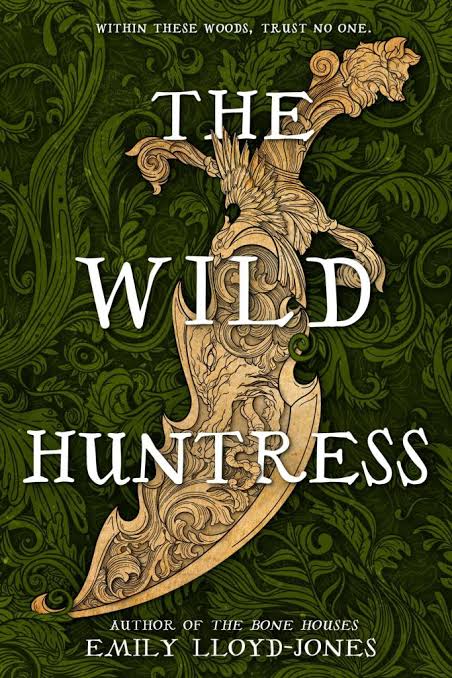
I wanted to explore what made this book stand out to me. I decided to keep my “doorway” questions in mind as I reflect on the book and read reviews (Kirkus, Publishers Weekly, StoryGraph, Audible, Goodreads). Some common themes began to stand out to me.
The Wild Huntress is a high-fantasy book inspired by Welsh folklore. The heart of the story is the found family between the three main characters. The book’s action depends upon a heist-like con to win a contest. Readers’ favorite part is often a shocking twist at the climax of the book. Several reviewers noted the joy they took in the cat character. Palug (the cat) was often a funny tension-breaking diversion from the action.
A reader or recommender searching for more books like The Wild Huntress now has several more avenues to explore. As a starting point, I would search for folklore fantasy (setting and language), fairy tale fantasy (setting and language), heist/crime fantasy (plot), found family fantasy (characters), and animal companion fantasy (characters).
Reflecting on my own reading experience, I think I enjoyed the folklore setting and mythology of The Wild Huntress the most. I focused on that to develop this list of potential read-alikes.
- Greymist Fair by Francesca Zappia
- Lucha of the Night Forest by Tehlor Mejia
- Nettle by Bex Hogan
- The Smoke that Thunders by Erhu Kome
- Goblin Market by Diane Zahler
- The Hanging Bones by Elle Tesch
- Trollheim: Tale of Sýstir by Georgia Summers
- Song of the Saltings by Rachael King
A bonus to reading reviews: non-professional reviewers on Goodreads and Storygraph often mention their own read-alikes. Occasionally, professional reviewers mention these as well.
Here’s a list of read-alikes to The Wild Huntress mentioned by reviewers
- A Far Wilder Magic by Allison Saft (looks like this one fits the YA romantasy genre)
- The Bone Houses by Emily Lloyd-Jones
- The Drowned Woods by Emily Lloyd-Jones
- Throne of Glass by Sarah J Maas. This book fits more of the crime/heist fantasy.
- The Cruel Prince by Holly Black. Reviewers noted that this book also had morally grey characters and featured twists.
Educators’ Corner
The Virginia SOL for English includes fantasy as one of the genres of study for K-5th, 7th, and 8th. Educators should familiarize themselves with popular fantasy books in the picture book, middle grade, and young adult categories for classwide novels. For popularity, consider best-seller lists, walk bookstores, and review what is on display. For critically acclaimed books, review books by authors who have won the Andre Norton Nebula Award for Middle Grade and Young Adult Fiction and the Aesop Award.
For individual reads, educators can build a fantasy read-alike list from popular novels in other genres. For example, students who love the humor and journal-format of Diary of a Wimpy Kid might love Loki: A Bad God’s Guide to Being Good. Educators should look to the techniques in this post to guide them to go deeper on read-alikes.
Educators can design a research project where learners are asked to build their own read-alike lists for a favorite novel. Learners can be introduced to searching tactics, filtering techniques, and strategies for evaluating results through searching or browsing a school or public library catalog. Students can learn about databases through examining the features of WorldCat and/or NovelList. (See the English Standards of Learning on Research for fourth grade onward.)

