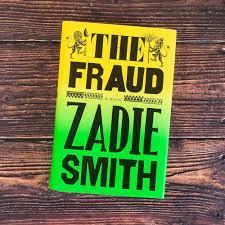
by Zadie Smith
Format: Physical Book
Primary Doorways: Character
Genre: Historical Fiction
Read for: Revelations about being human
While Mrs. Lewes only shows up once or twice in Zadie Smith’s novel, The Fraud, her most famous (?) novel, Middlemarch is abundantly present. Middlemarch is subtitled “the study of a provincial life” and Smith continues that study through exploring the “unnatural wife” turned cousin-companion, Mrs. Trouchet and her obsession with the Tichborne affair. Or that’s the surface story.
The novel is simultaneously “about” many things: the power of demagogues, fame and its trappings, the unbearable limitations of intelligent women’s lives, sexual and regular snobbery, British reliance on the institutions of slavery, the experiences of the enslaved, and more. And Charles Dickens makes several cameos. The novel holds up the weight of all these plots with ease.
Voracious readers will find a familiar soul in Mrs. Trouchet, who stands apart from life, observing, much like Dorothea in Middlemarch. It’s strange and moving, then, that the most compelling theme of the novel to me, was Mrs. Trouchet’s wonderings about the nature of intimacy. What does it mean to be known and to know another person? What are those fleeting magical moments of life when we look at someone else and they look back?
Only the best novels can achieve this impossible trick — the pleasure of knowing and feeling you’d be known by a fictional character.
 Rachel Vogus' Habits and Hobbies